
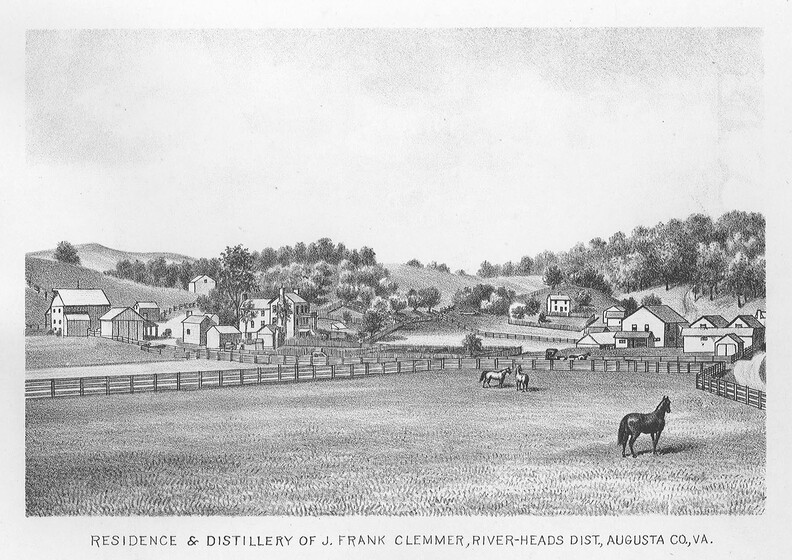
Augusta County’s history is America’s history.
Here in the county that once stretched west to the Mississippi River and north to the Great Lakes, Native Americans clashed with pioneers to open the frontier, Revolutionary War patriots helped secure their nation’s liberty, America’s agricultural revolution began, a future U.S. President was born, Civil War armies vied for control, and great artists shaped their vision.
Our Home in Virginia
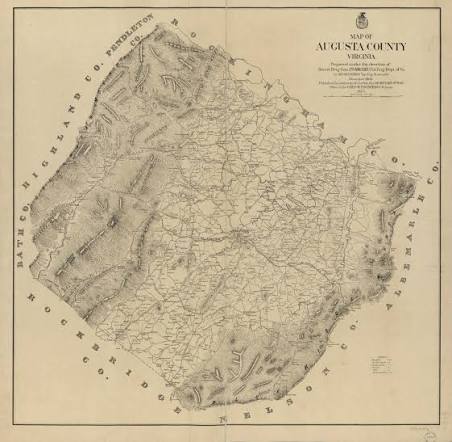
Augusta County is located in the Shenandoah Valley of Virginia, between the Blue Ridge Mountains on the east and the Allegheny Mountains on the west. It is the second largest county in Virginia and has within its borders two independent cities- Staunton (the county seat) with a population around 25,000 and Waynesboro with a population around 18,000. There are a number of small towns with interesting histories in all parts of the county. Two of the villages, Mt. Sidney and Middlebrook, are on the National Register of Historic Places.
Early Settlers
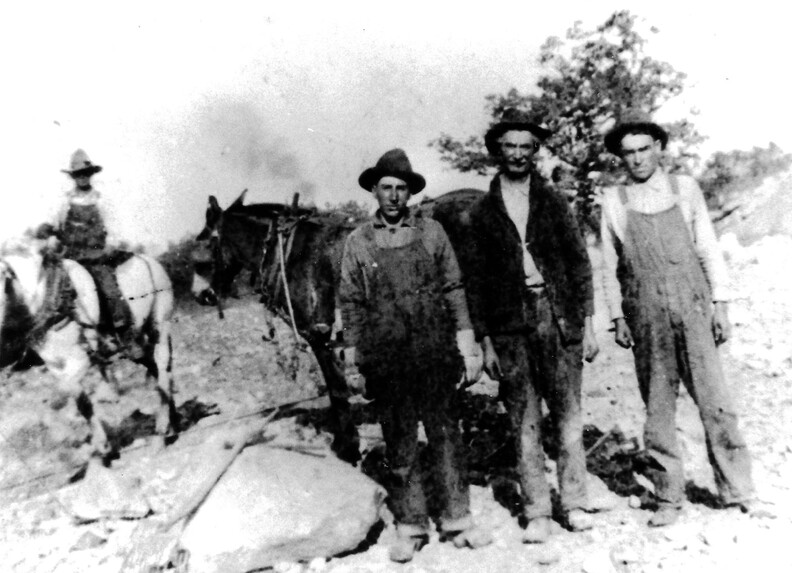
Although sites dating back thousands of years and associated with early Native American groups have been found in the county, at the time of early settlement of the Valley by Europeans, there were no resident Native Americans in the area that is now Augusta County.
The first settlers arrived in the 1720s from Pennsylvania, Maryland, and from eastern Virginia. Some were German-born or the Pennsylvania-born children of German-speaking Protestant immigrants from the Palatinate and other areas bordering the Rhine River. These were Lutheran, Reformed, or Brethren. The greatest numbers of early Augusta settlers were from the province of Ulster in the north of Ireland or were the Pennsylvania and Maryland-born children of these Ulster Scots or Scotch-Irish Presbyterians. Many early settlers took up land on the 112,000-acre tract that the colonial government granted to William Beverley. From the onset there were also African Americans, some free-born but most enslaved. Although initially small in number, by the Civil War they represented 20% of the population. There were also many settlers of English descent who often immigrated into the county from eastern Virginia.
County Founding
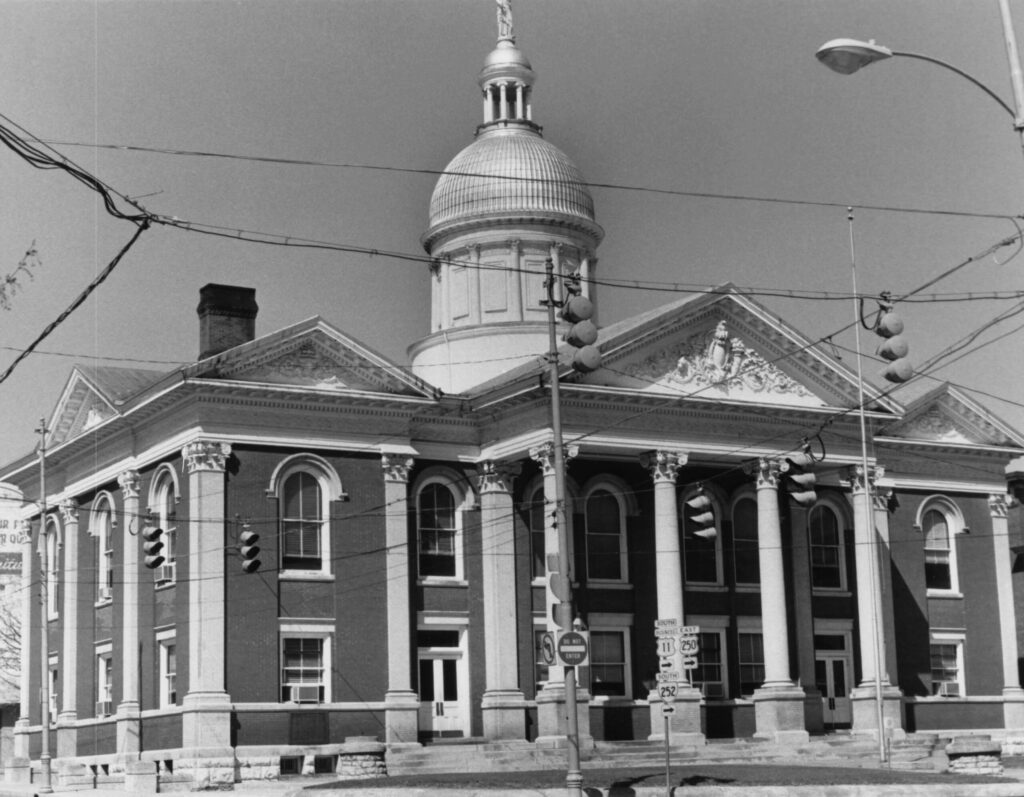
Augusta County was created from Orange County in 1738. For seven years, until the population grew large enough, Augusta’s records were kept in Orange. In 1745, Augusta elected a sheriff, a vestry, a county court, a minister, and a clerk of court. A courthouse was built on the same site in Staunton (originally called Beverley’s Mill Place) as the current courthouse. The county’s records have been kept continuously at the courthouse since 1745. In that year, the county included all of present southwestern Virginia, most of present West Virginia and even stretched to the Mississippi River. As people began to settle in those western areas, new counties were cut off from Augusta, beginning in 1769 with Botetourt County, then Rockingham and Rockbridge in 1778.
Fighting for Freedom
The Augusta Militia, today the 116th Infantry, was formed in the 1740s and represents one of the oldest and most storied military units in the country. Descendants of the original militia became the famed “Stonewall Brigade” in the Civil War; during World War II, this unit hit Omaha Beach on D-Day.
Augusta County contributed many soldiers and a number of officers to the American Revolutionary cause. In 1781, Staunton served briefly as the state capital when the legislature met here after fleeing the British in the eastern part of the state.
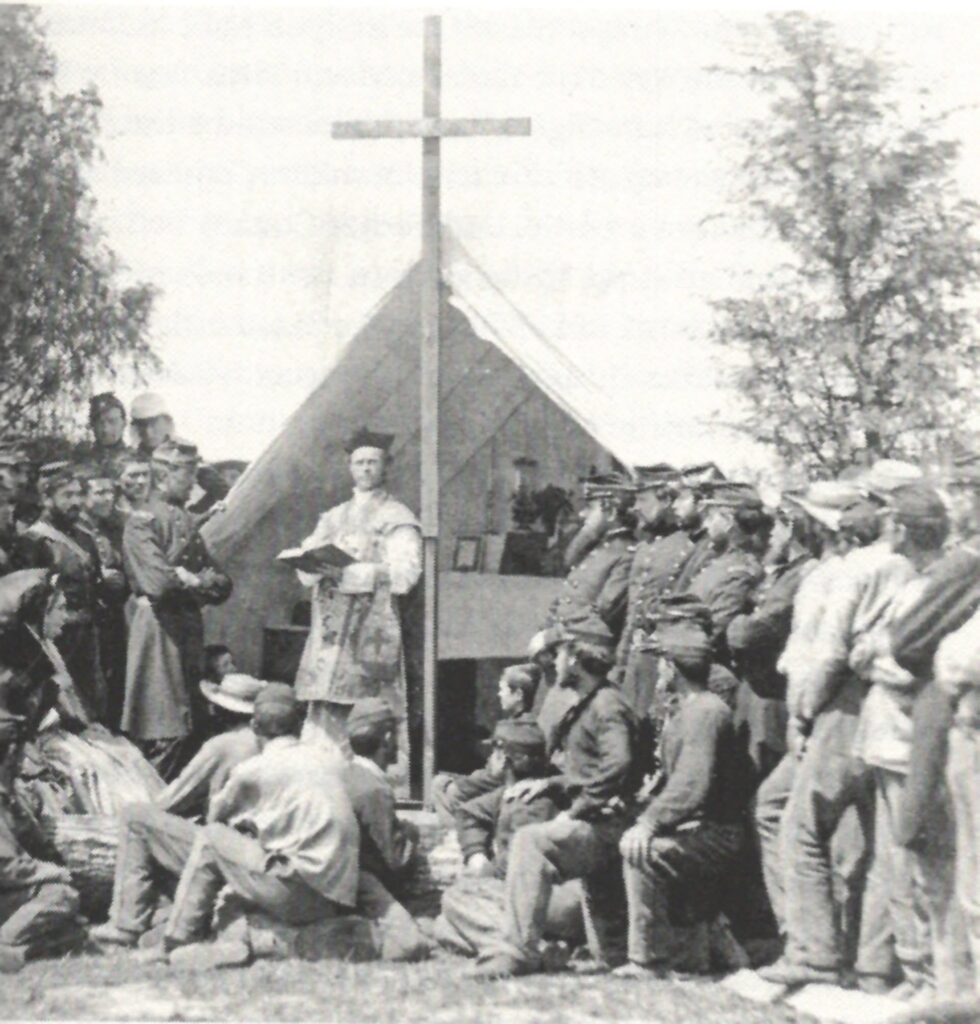
The county was an important early transportation center, with the Valley Turnpike, originally the Warriors Path, the Great Wagon Road coming through it north-south, and the Parkersburg Turnpike linking the area to the Ohio River. In 1854, the Virginia Central Railroad reached Staunton, providing access to Richmond, the capital, for goods and passengers. This rail link made Staunton significant to the Confederacy during the Civil War as a supply center, especially for agricultural products of the prosperous county farms.
Inventing & Educating
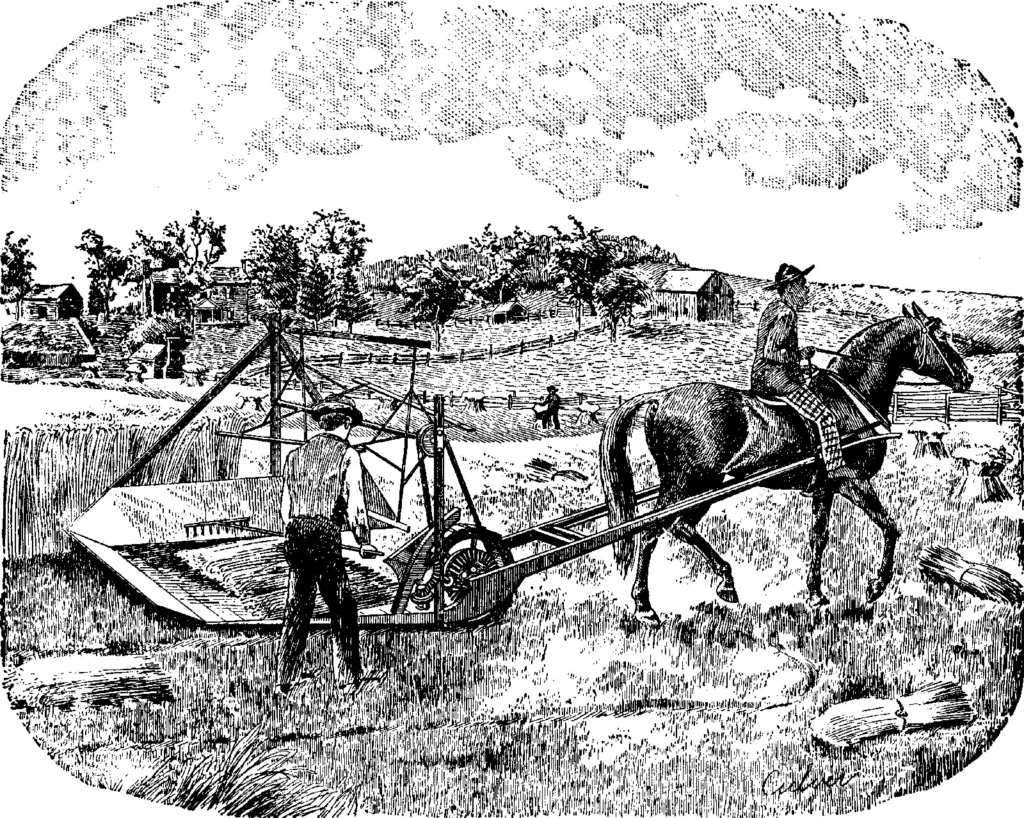
By the early 19th century, the county became an important producer of wheat, making milling and distilling significant aspects of the local economy. Cyrus McCormick invented the reaper at his family’s farm, “Walnut Grove,” at Steele’s Tavern in southern Augusta County, which revolutionized agriculture around the world.
Augusta County has long been a center of education. Among schools that have flourished here for more than a century have been the Virginia School for the Deaf and Blind, Augusta Female Seminary (now Mary Baldwin College), Virginia Female Institute (now Stuart Hall School) in Staunton, and Fishburne Military School in Waynesboro. Earlier schools included Mossy Creek Academy run by Jed Hotchkiss, who became General T.J. “Stonewall” Jackson’s mapmaker, Augusta Military Academy in Fort Defiance, Staunton Military Academy, and Fairfax Hall in Waynesboro. Roanoke College and Washington & Lee University also had their starts in Augusta County.
Brushes with Greatness
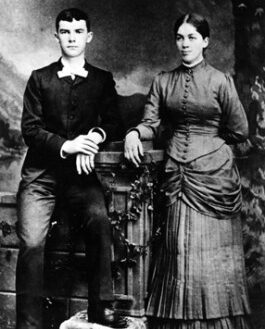
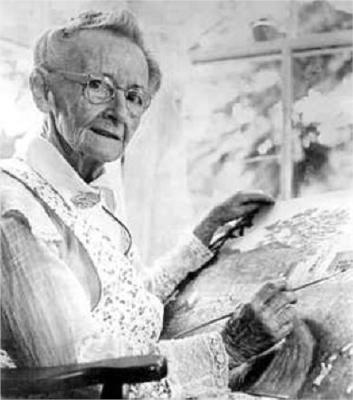
Indeed, Thomas Jefferson, Patrick Henry, Cyrus McCormick, Woodrow Wilson, Robert E. Lee and Stonewall Jackson all played important roles in our history, but so did Grandma Moses, George Caleb Bingham, Kate Smith, John Coalter, and William Sheppard.
Daniel Boone visited kinfolk here, Santa Anna stopped here, Charles Lindbergh landed here, Erwin Rommel studied here, and Billy Sunday preached here. Even history’s great names like Eisenhower and Lincoln traced their ancestral homes to this county. And, we cannot tell a lie, George Washington slept here.
Location
RR Smith Center
for History & Art
20 S. New Street
Staunton, VA 24401
Hours
Tuesdays, Thursdays, and Fridays
10 am to 1 pm